


Metal Replacement Molding
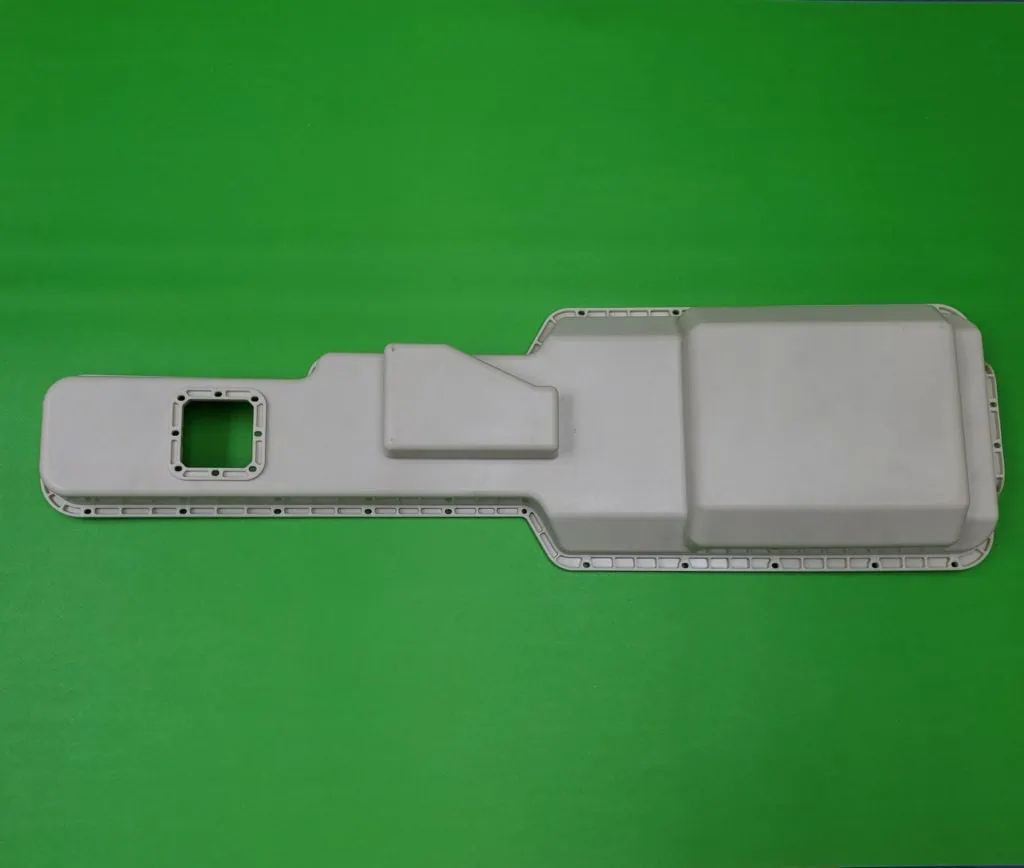
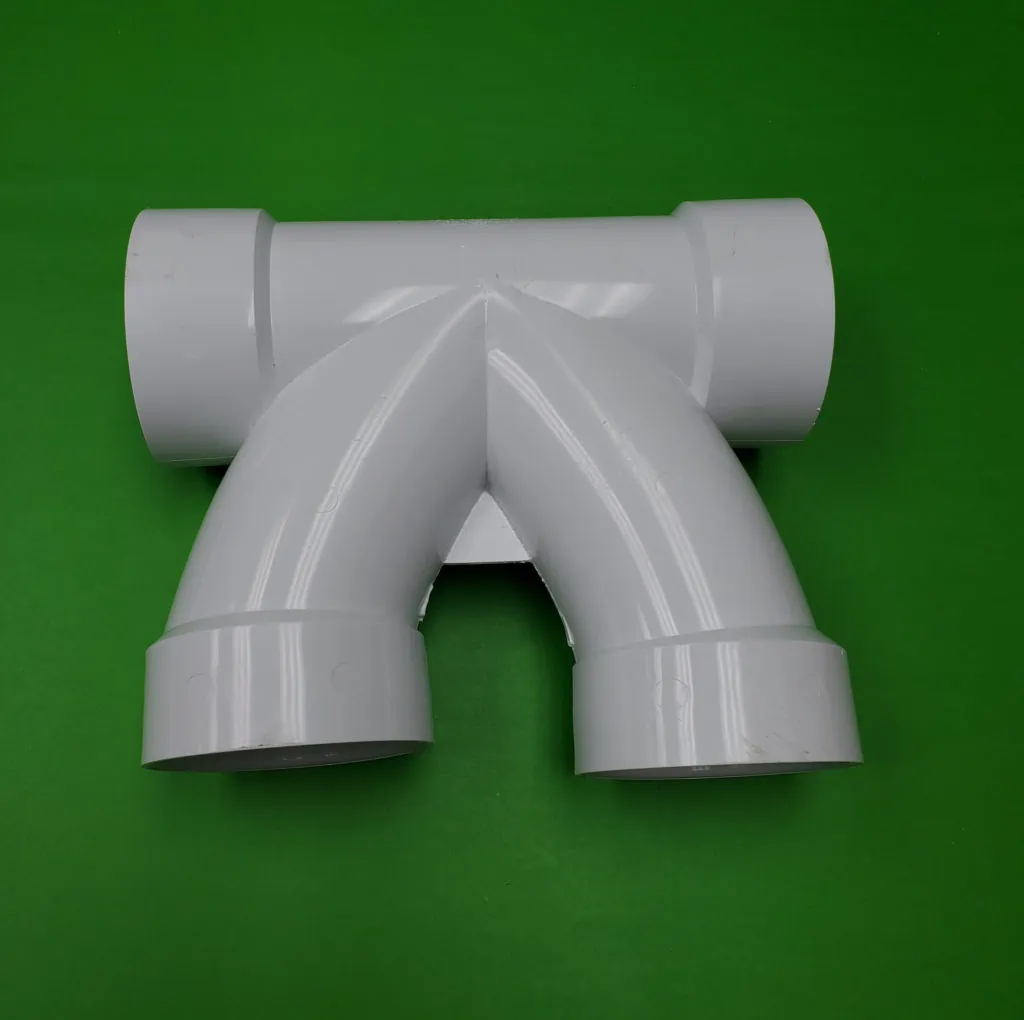
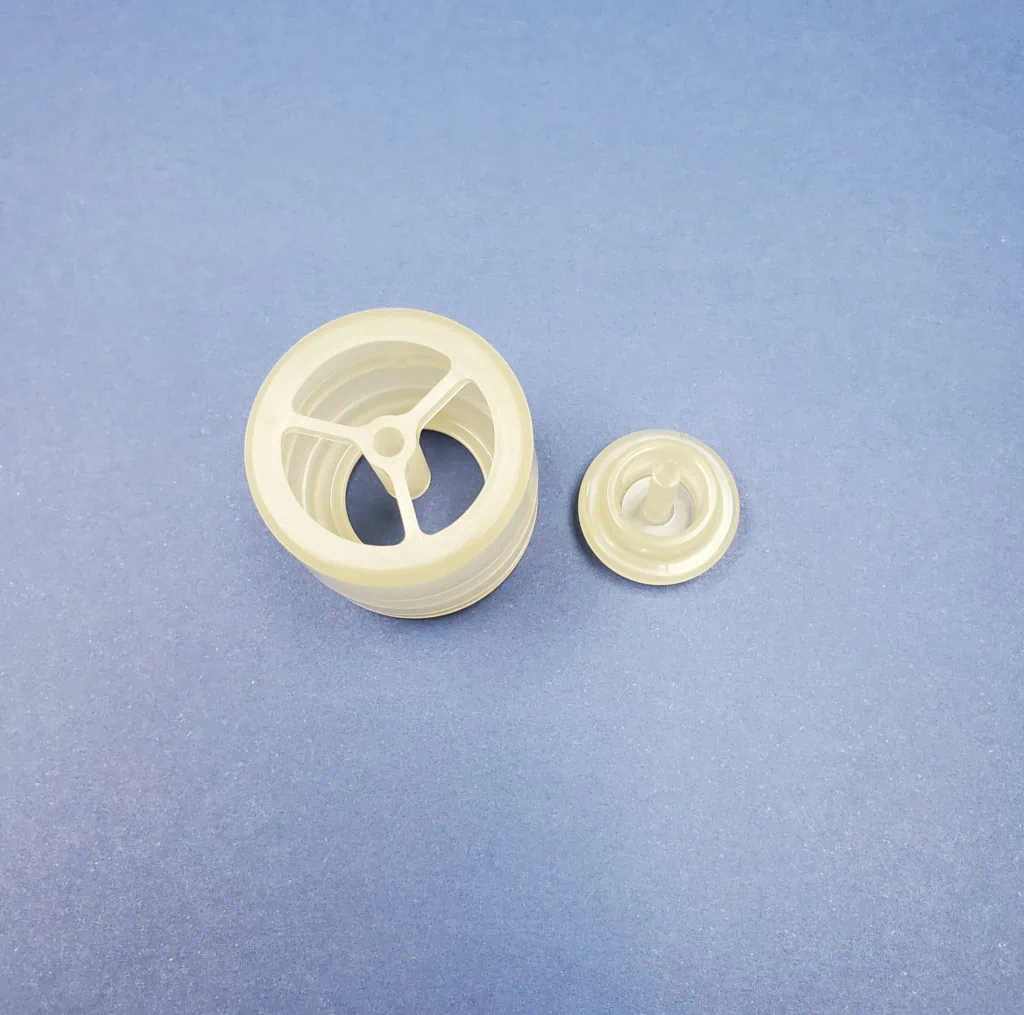
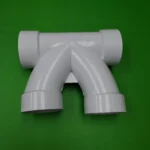
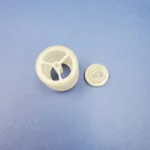
Across automotive, aerospace, and industrial sectors, engineering thermoplastics are providing durable, lightweight parts in place of metal components. Meridian Products Corporation brings experience processing high-end engineering resins to help customers achieve practical metal replacement molding to propel manufacturing and product performance forward. Learn more about the advantages of metal replacement molding services, the materials we work with, and industries we serve.
Why Convert from Metal to Plastic?
Metal has real strengths, but it comes with trade-offs: these can include machining time, finishing operations, corrosion risks, and added weight. In many cases, thermoplastic composites can close the performance gap while cutting per-part cost.
There are a range of factors that can lead teams to move from metal to plastic molding, such as:
- Weight reduction. Several engineering thermoplastics, like PEEK or polycarbonate, can match or outperform metal on a strength-to-weight basis. Lighter parts contribute to efficiency gains in automotive and aerospace applications.
- Eliminated secondary operations. Molded plastic parts do not require welding, stamping, or post-machining. Color can be incorporated into the material itself, eliminating the need to paint the component.
- Corrosion resistance. Thermoplastic resins do not oxidize. For components exposed to chemicals, moisture, or harsh outdoor environments, this can extend the functional life of the part.
- Vibration and sound dampening. Many polymers inherently absorb mechanical energy more effectively, which can be advantageous in enclosures, housings, and structural brackets.
- Design freedom. Injection molding can produce complex geometries and integrated features to reduce overall part counts and assembly time.
Materials Used in Metal Replacement Molding
Not every metal replacement project calls for the same resin. The right choice depends on load requirements, thermal exposure, chemical contact, and service life expectations. At Meridian Products Corporation, we work across the full spectrum, from commodity-grade plastics to high-performance resins built for demanding environments.
High-Performance Engineering Resins
For applications requiring thermal stability or chemical resistance, we can specify materials such as PEEK, PPA, polyetherimide, and PPS. These resins hold up in conditions where standard plastics would degrade, and they can be used in different applications that have historically required metal.
Glass-Filled and Structural Grades
For projects requiring specific stiffness profiles, we are able to process a range of reinforced thermoplastics. Long glass fiber polypropylene is common in automotive structural applications. Meanwhile, nylon resins in various glass-filled or filler-injected forms serve as capable substitutes for metal across a broad range of uses, from pump parts to structural housings.
Selecting the right resin is one part of the process. Knowing how to mold it to spec, cycle after cycle, is where our processing experience becomes a direct advantage for our customers.
Applications and Industries
Metal replacement molding is gaining ground across automotive, aerospace and transportation, and electronics industries. Automotive manufacturers can use thermoplastics to build lighter, more fuel-efficient vehicles, and aerospace applications benefit from the weight savings and resistance to environmental degradation. In electrical systems, the insulative properties and design flexibility of polymers make them a practical replacement for metal housings and structural components.
As demand grows for lightweight, durable materials, metal replacement molding continues to redefine what is achievable in production manufacturing. Meridian Products holds ISO 9001:2015 certification, and our quality systems are structured to meet the traceability and documentation requirements these industries expect.
Our Commitment to Quality
Every metal replacement project at Meridian Products runs through a disciplined process, from material selection to final delivery. We work with customers from the initial assessment through tooling, design, and prototyping and into production qualification. Where components require additional steps, such as mechanical fastening or part joining, our assembly and sub-assembly capabilities keep the process under one roof.
This single-source approach reduces supply chain complexity and limits the handoff points where tolerance issues typically develop. For projects that also require surface finishing or part marking, our post molding decorating services handle this within the same facility.
Request a Quote
At Meridian Products Corporation, our dedication lies in providing outstanding quality across all our offerings. This commitment is ingrained in our manufacturing process, from meticulous material selection to final product delivery. If you are evaluating a metal replacement molding project, we can review your part geometry, requirements, and production volume to identify the right conversion path.
Submit an RFQ or contact us to start the conversation.